
How To Make Your Lewistown Home Safer And More Comfortable For Aging In Place
For many homeowners, the goal is simple: stay in the home you know and love for as long as possible. That’s what aging in place is really about. It is not just a design trend or a remodeling buzzword. It is a practical way to make your home safer, easier to use, and more supportive as your needs change over time.
The good news is that aging in place does not always mean a major renovation. In many Lewistown homes, a few smart changes can dramatically improve comfort, safety, and independence.
Start With The Rooms That Matter Most
Not every part of the house creates the same level of risk. In most homes, the biggest priorities are bathrooms, flooring, lighting, and entry access.
Bathrooms Usually Come First
Bathrooms are one of the most common places for slips and falls. Even small improvements can make a major difference.
Helpful aging in place bathroom upgrades include:
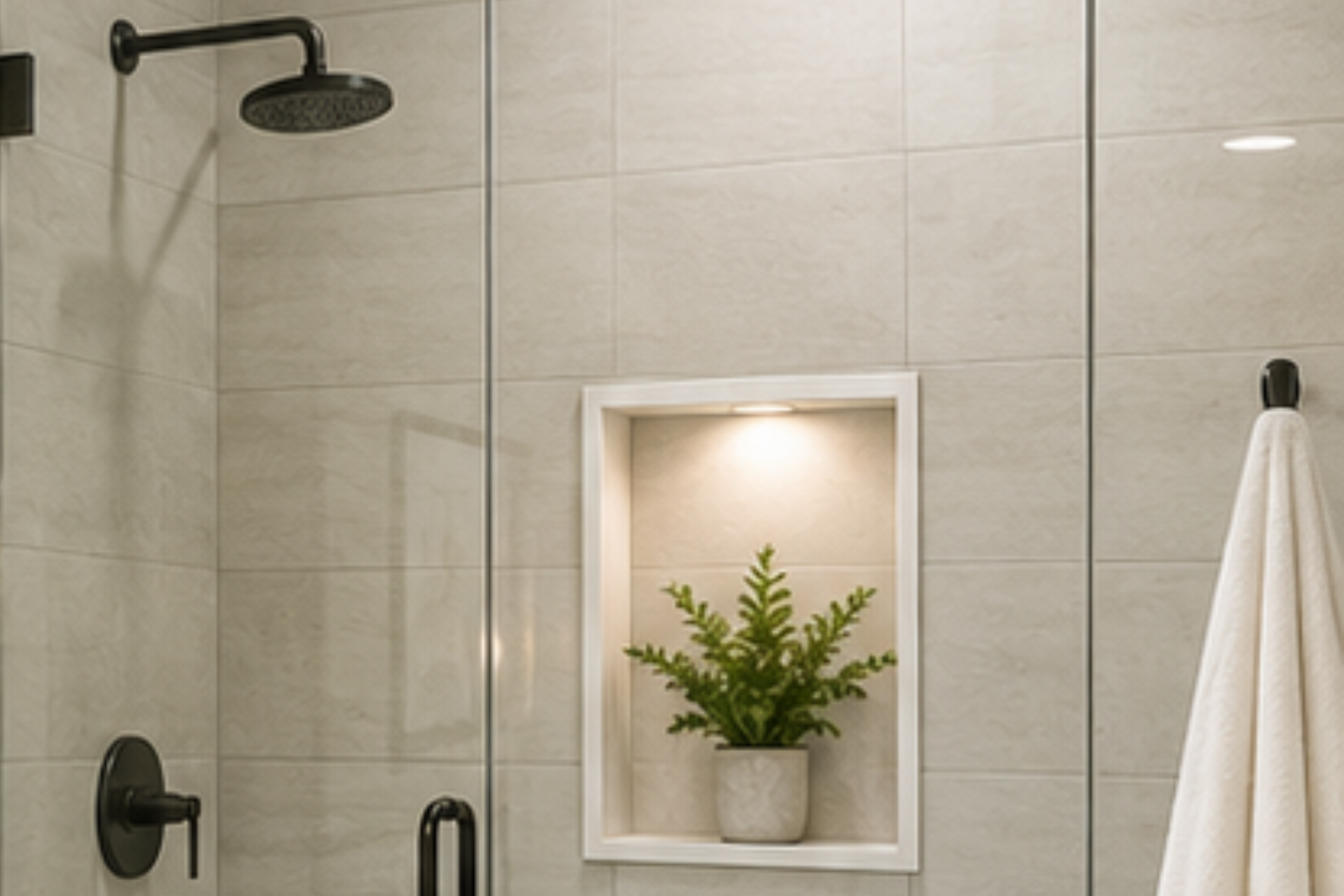
- Walk-in showers
- Low-threshold shower entries
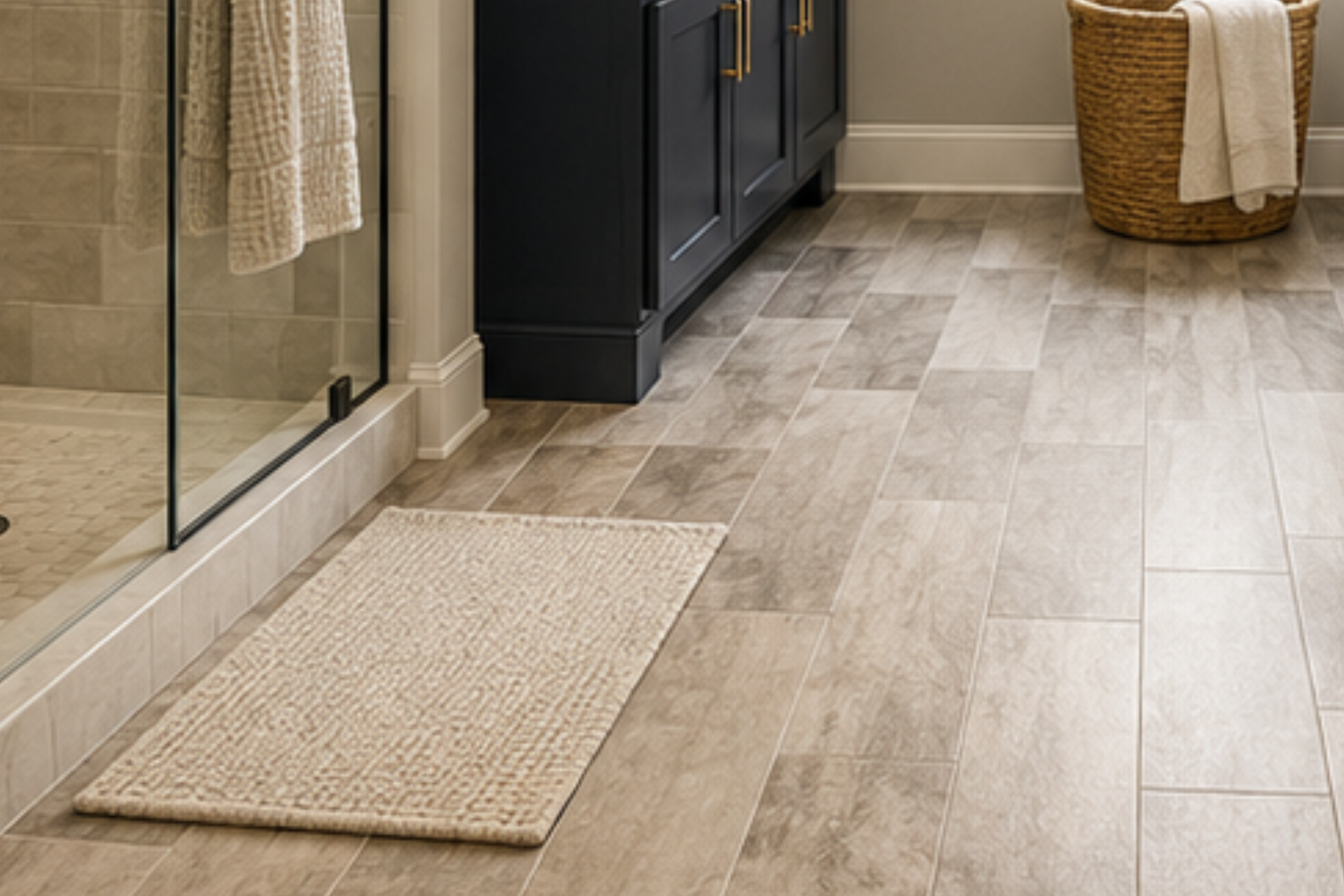
- Slip-resistant flooring
- Better task lighting
- Grab bars installed correctly
- Comfort-height toilets
- Easier-to-use fixtures
A bathroom that feels safer is often the first step toward making the entire home feel more manageable.
Flooring Matters More Than People Realize
Old carpet edges, raised thresholds, slick surfaces, and uneven floors create trip hazards. If you are planning for long-term living, flooring should not be an afterthought.
Good options often include:
- Luxury vinyl plank
- Slip-resistant tile
- Smoother room transitions
- Repairs to uneven floor areas
This is especially important in bathrooms, kitchens, hallways, and entry points.
Better Lighting Improves Safety And Confidence
Poor lighting is a quiet problem in many older homes. If hallways, stairs, bathrooms, or bedrooms feel dim, the home automatically feels less safe.
Upgrades that help include:
- Brighter ceiling fixtures
- Motion-sensor lights
- Vanity lighting improvements
- Stair and hall lighting
- Easy-to-reach switches
- Extra outlets in more convenient locations
These changes are simple, but they improve visibility and make daily movement around the home easier.
Think About Accessibility Before You Need It
One of the smartest things a homeowner can do is plan ahead. It is much easier to remodel with intention than to rush after a fall, injury, or health change.
That might mean:
- Widening a doorway before it becomes a problem
- Updating one bathroom now instead of waiting
- Improving exterior access before winter becomes difficult
- Choosing flooring that works long-term
- Making sure the main living spaces are easy to navigate
Planning early gives you better choices, better design, and less stress.
Kitchens Can Be Improved Without Full Replacement
Aging in place does not always mean tearing out the whole kitchen. In many homes, selective upgrades are enough to make the space work much better.
Useful improvements may include:
- Better lighting over work areas
- Easier-to-use cabinet hardware
- Improved storage access
- Safer flooring
- Better appliance spacing
- Simpler, lower-maintenance finishes
The goal is to reduce strain and make everyday tasks easier.
Entry Access Is Part Of The Big Picture
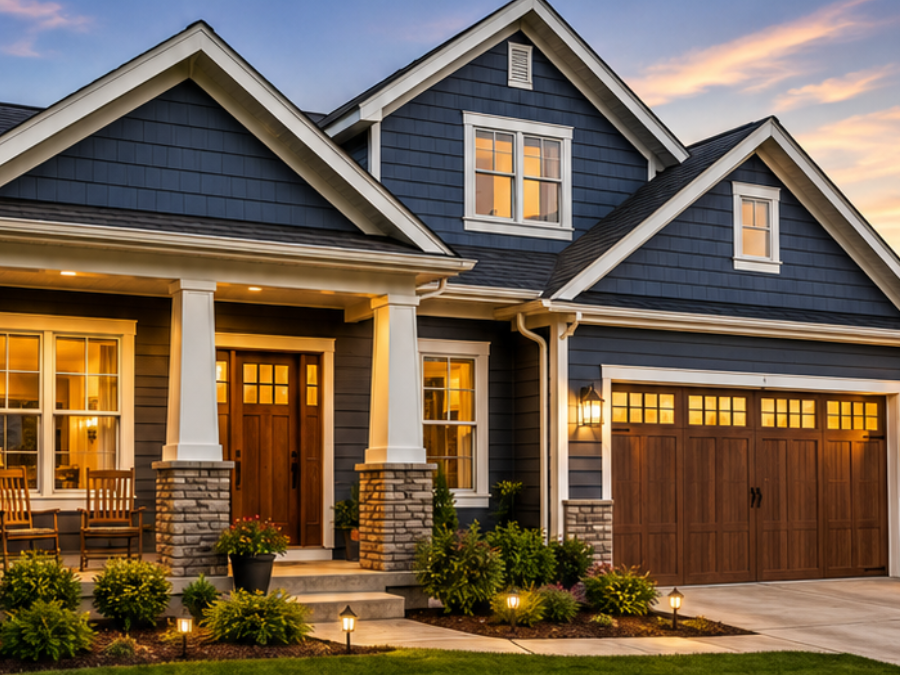
A home can be beautiful inside and still feel difficult if getting in and out is a challenge. Entry safety matters just as much as interior remodeling.
Important things to think about:
- Steps and railings
- Threshold heights
- Exterior lighting
- Covered entries
- Smoother walking surfaces
- Better access from driveway to door
These details are easy to overlook until they become daily frustrations.
Aging In Place Helps More Than Seniors
This type of remodeling is often associated with older homeowners, but the truth is that these improvements help many different people:
- Homeowners planning ahead
- People recovering from surgery or injury
- Multigenerational families
- Households with limited mobility
- Caregivers supporting relatives at home
In other words, aging in place upgrades are really about making the home more functional and flexible.
Common Mistakes To Avoid
Aging in place projects work best when they are planned practically. Some common mistakes include:
- Waiting too long to start
- Focusing only on appearance
- Choosing slippery flooring
- Installing grab bars without proper support behind the wall
- Ignoring lighting
- Remodeling one room without considering how it connects to the rest of the home
A well-planned project should look good, feel natural, and solve real problems.
Local Project Spotlight
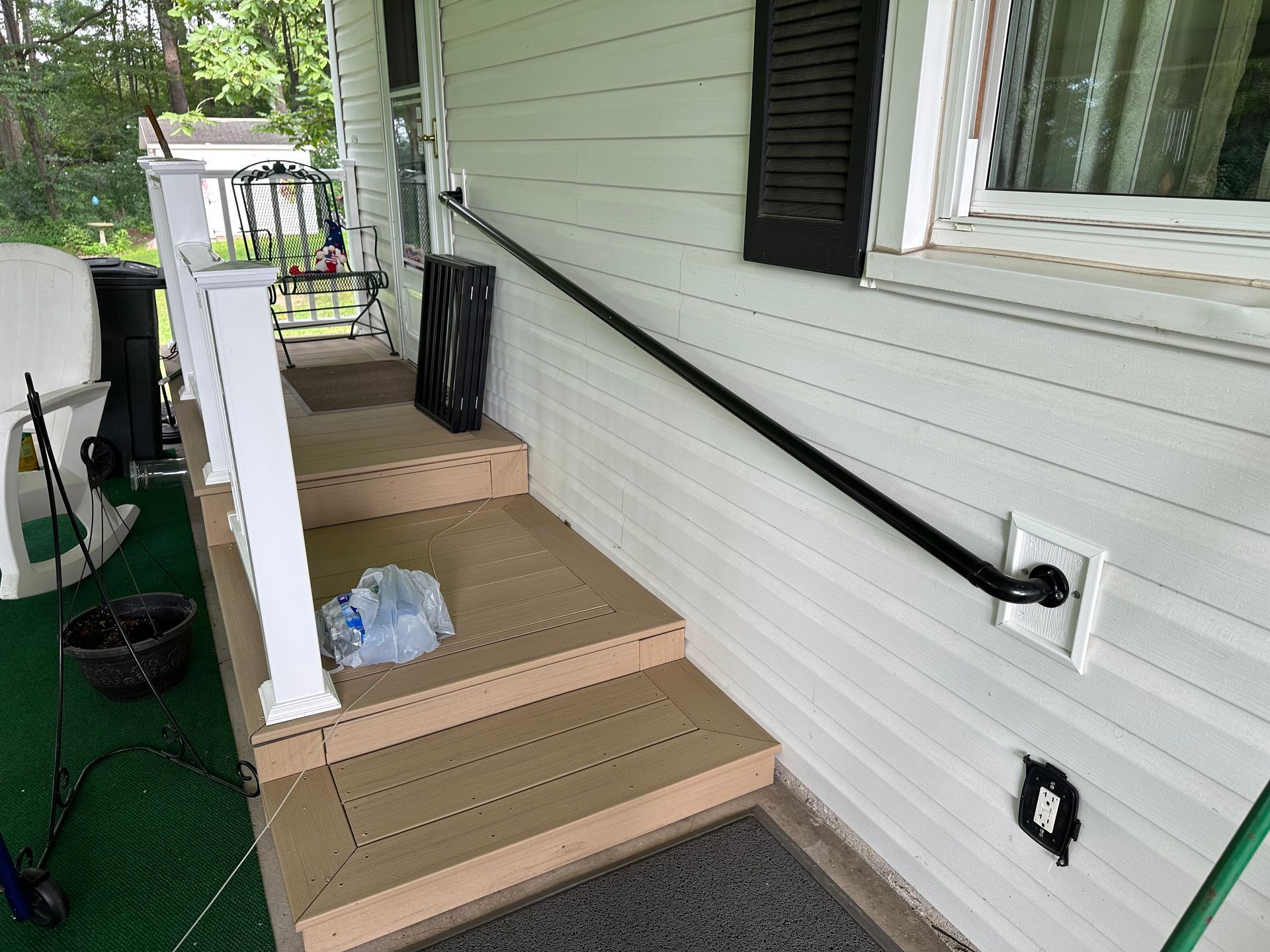
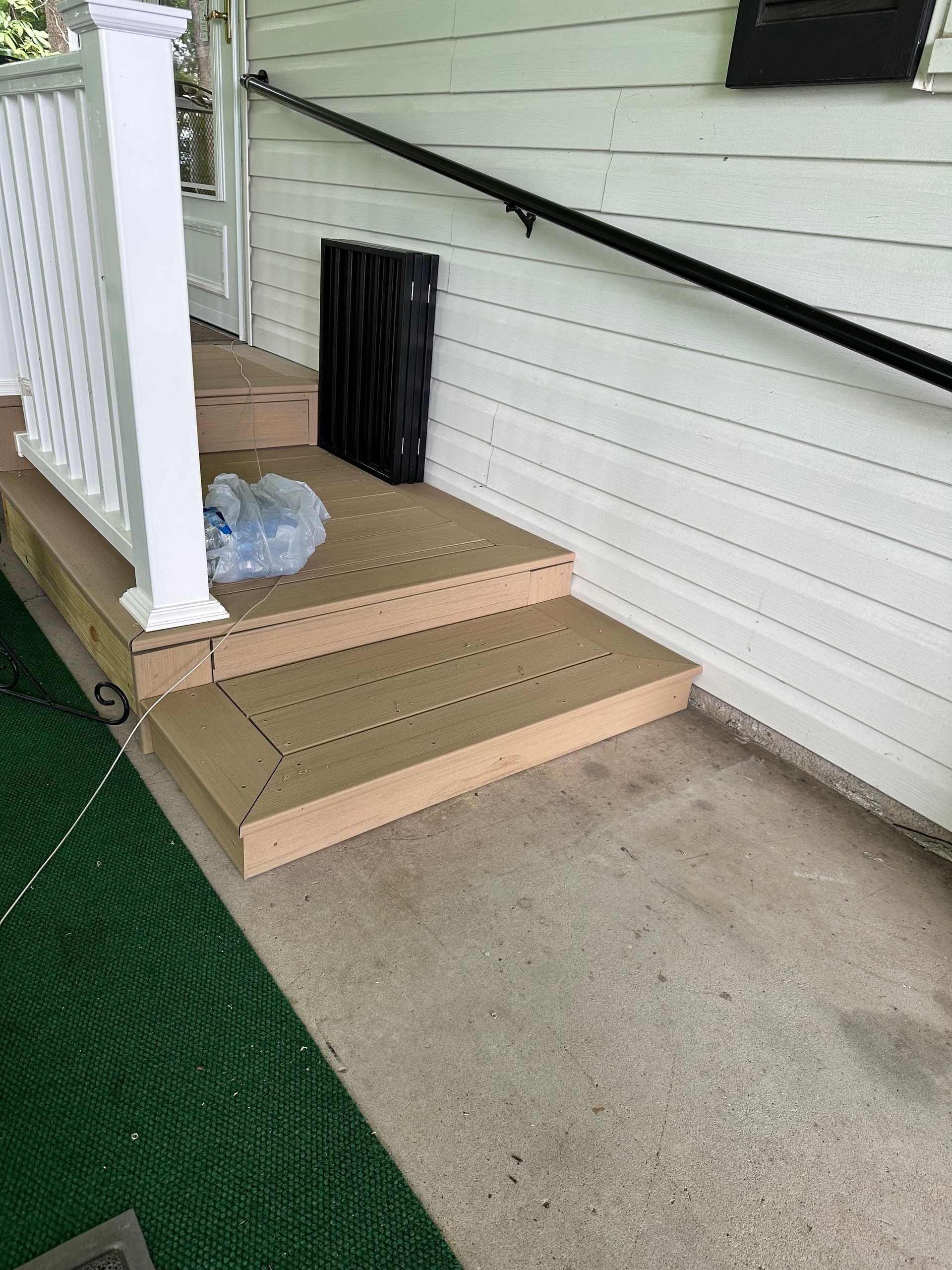
A homeowner in Lewistown wanted to make their home easier to live in long-term after a fall. The project focused on a safer bathroom by removing the tub and building a shower with grab handles and a slip-resistant floor. We also built a custom staircase with a handrail for easier access in and out of the home. To finish it off, we created smoother flooring transitions throughout several areas of the home. The result was a home that was safer, easier to get around in, and more comfortable for not only the customer, but all of her aging friends and family when they visit.
Final Thoughts
Aging in place is not about giving something up. It is about making sure your home keeps working for you. Small improvements made at the right time can protect your independence, reduce stress, and help you stay where you feel most comfortable.
If you have been thinking about safer bathrooms, better lighting, easier access, or more practical flooring, now is the right time to start planning.
Schedule A Free Design Consultation
Yoder’s Home Improvements helps Lewistown homeowners create safer, smarter spaces built for real life.
You might also like