Why Bathroom Ventilation Matters: Protecting Your Home From Moisture Damage
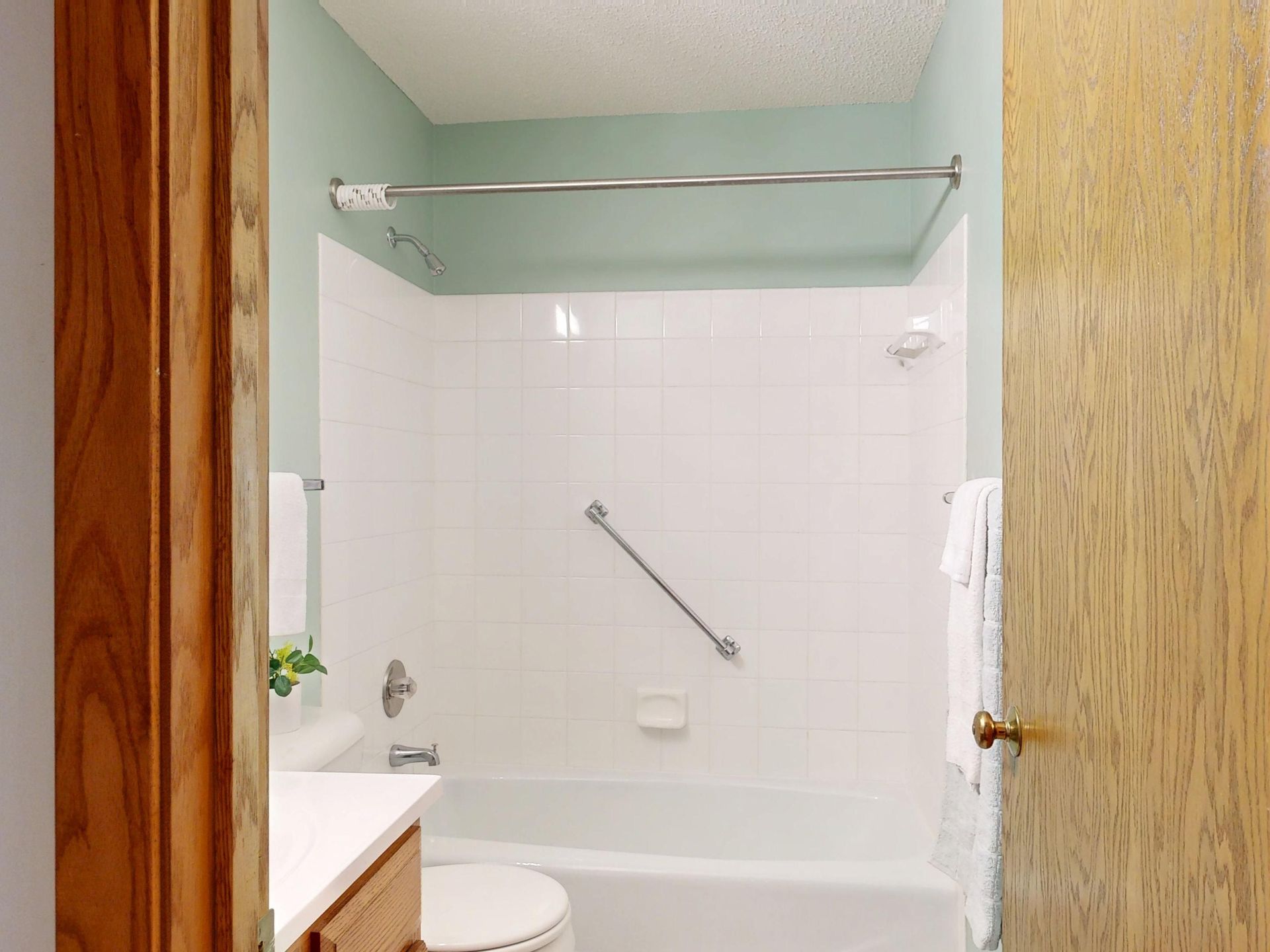
Bathroom ventilation is one of the most overlooked parts of home performance. Many homeowners think about tile, vanities, lighting, and fixtures, but not enough think about what happens to all that steam after a shower. In older Lewistown and Mifflin County homes, poor ventilation is a common reason bathrooms start developing peeling paint, musty smells, moisture stains, damaged trim, and even hidden mold.
A bathroom can look fine on the surface while quietly collecting moisture problems behind the scenes. That is why ventilation matters so much.
Moisture Builds Up Fast
Every hot shower fills a bathroom with warm moisture. If that moisture is not removed quickly, it settles on ceilings, walls, mirrors, trim, grout, and nearby finishes. Over time, that buildup can wear down the room and shorten the lifespan of your improvements.
This is especially true in homes with:
- older exhaust fans
- fans that are too weak
- no real venting to the outside
- bathrooms with limited windows or airflow
Common Signs Of Poor Bathroom Ventilation
Some warning signs are easy to spot. Others build slowly over time.
Look for:
- paint bubbling or peeling
- mildew around corners or caulk lines
- persistent fog that lingers long after a shower
- musty odors
- dark spots on ceilings
- damp trim or soft drywall
- condensation on nearby walls or windows
If a bathroom never seems to dry out properly, ventilation should be evaluated.
Vent Fans Need To Do More Than Make Noise
A lot of older fans still turn on and make sound, but that does not mean they are working well. Some are simply underpowered. Others are clogged, outdated, or venting into the wrong space. In some homes, the fan may not actually be removing moisture the way the homeowner assumes.
A properly functioning bathroom fan should move moisture out efficiently and help the room dry much faster after use.
Why This Matters For Remodeling
Ventilation becomes even more important after a bathroom upgrade. If you are investing in new paint, fresh trim, new flooring, or a new shower, poor moisture control can shorten the life of the work. Good airflow helps protect that investment.
That means better ventilation helps preserve:
- painted ceilings and walls
- wood trim
- cabinetry
- flooring
- grout and caulk
- drywall behind the finishes
In short, ventilation is not a small add-on. It is part of the system that keeps the bathroom performing properly.
Better Ventilation Also Improves Comfort
A bathroom that stays humid feels less comfortable. Lingering moisture can make the room feel stale and damp even if it looks clean. Better airflow helps the room feel fresher and more usable, especially in homes where multiple people use the same bathroom every day.
When To Upgrade The Fan
Homeowners should think about upgrading bathroom ventilation when:
- remodeling a bathroom
- repainting due to moisture damage
- replacing old fixtures
- noticing ongoing humidity issues
- converting a bathroom for aging in place or easier long-term use
It is much easier to address ventilation during a planned improvement than after moisture damage has already spread.
Helpful Bathroom Ventilation Improvements
Depending on the space, helpful improvements may include:
- replacing an old exhaust fan
- improving fan capacity
- correcting exterior venting
- updating bathroom lighting and fan combinations
- addressing moisture-damaged finishes during the same project
If your bathroom stays humid, smells damp, or shows signs of moisture stress, it may be time to improve the ventilation and protect the room properly.
Schedule A Free Design Consultation With Yoder’s Today
717-946-8177
YodersHomeImprovements.com

You might also like